When the temperature drops in the Danish capital, the true spirit of hygge keeps the cold out
by Abigail Blasi
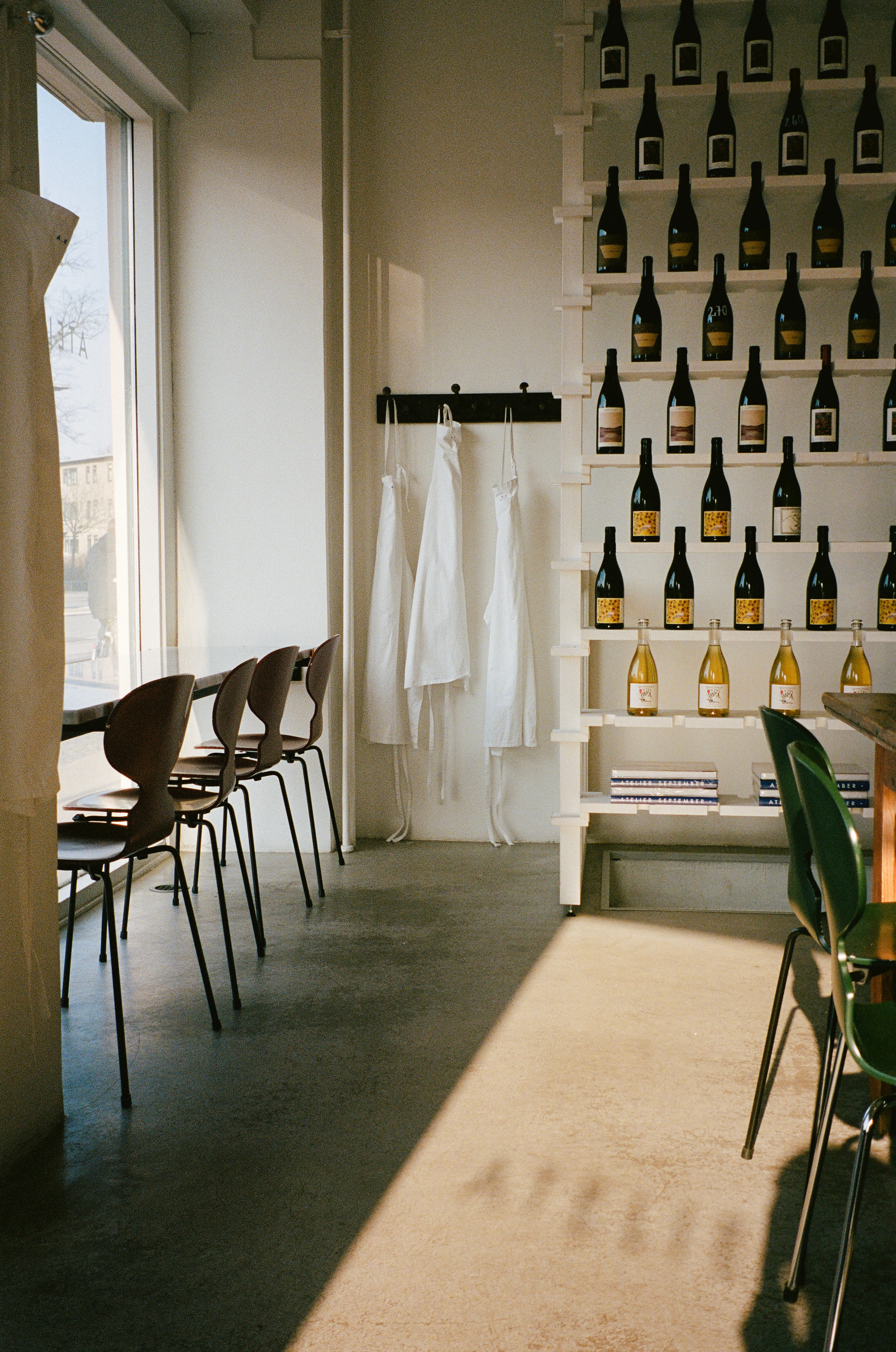
It might feel as if it’s been merchandised to death, but the Danish concept of hygge (pronounced hoo-ga) is much more profound than going big on candles and wool socks. This nebulous idea is about contentment and companionship, and it helps the Danes cope with the long winter and strengthens social cohesion. It’s evoked through the joy of small pleasures, such as having a hot chocolate on a cold day or relaxing in a sauna before braving the icy air outside. When the season is dark and days short, Danes illuminate it with thousands of candles and fairy lights, and respond to the cold by embracing every potential source of cosiness.
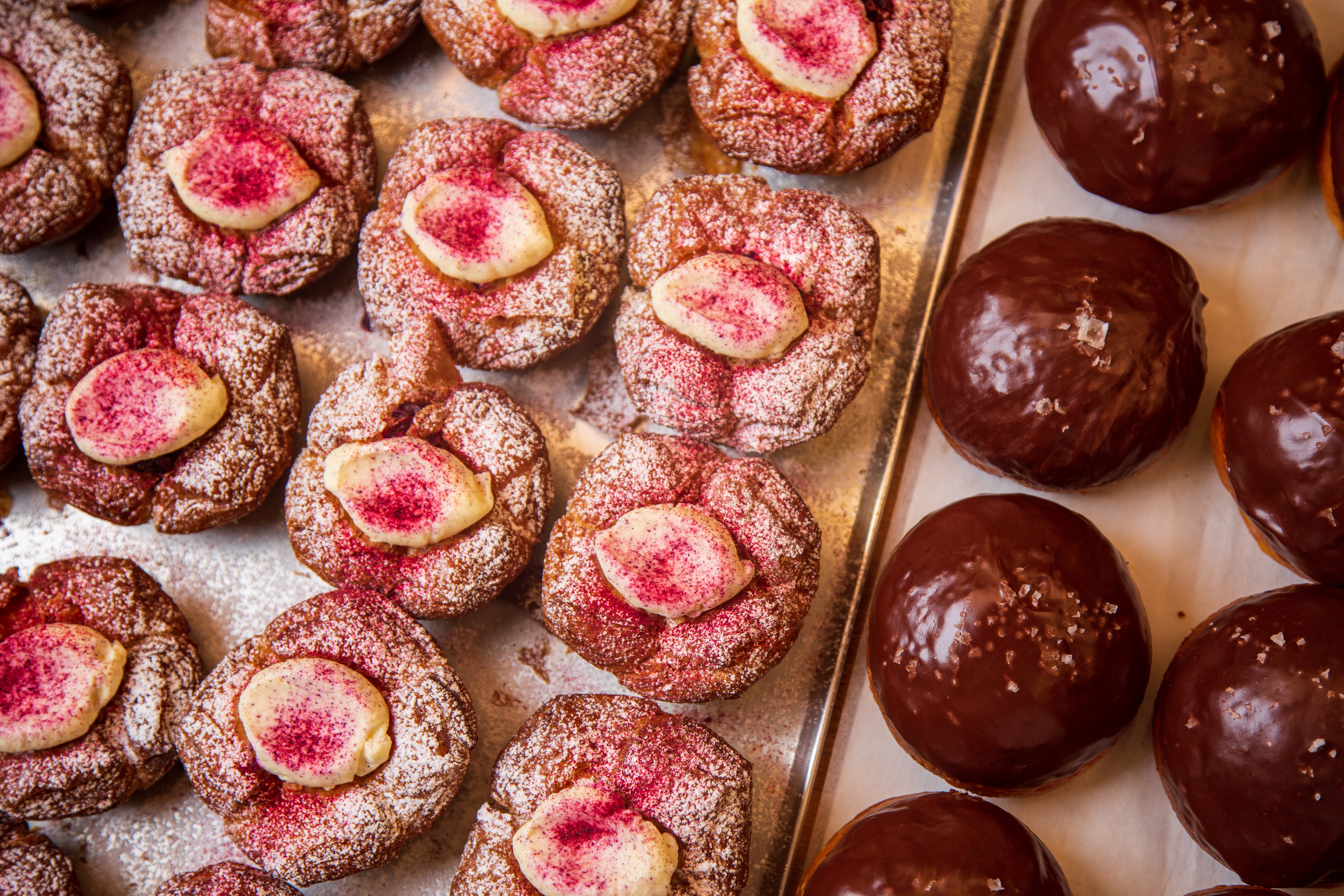
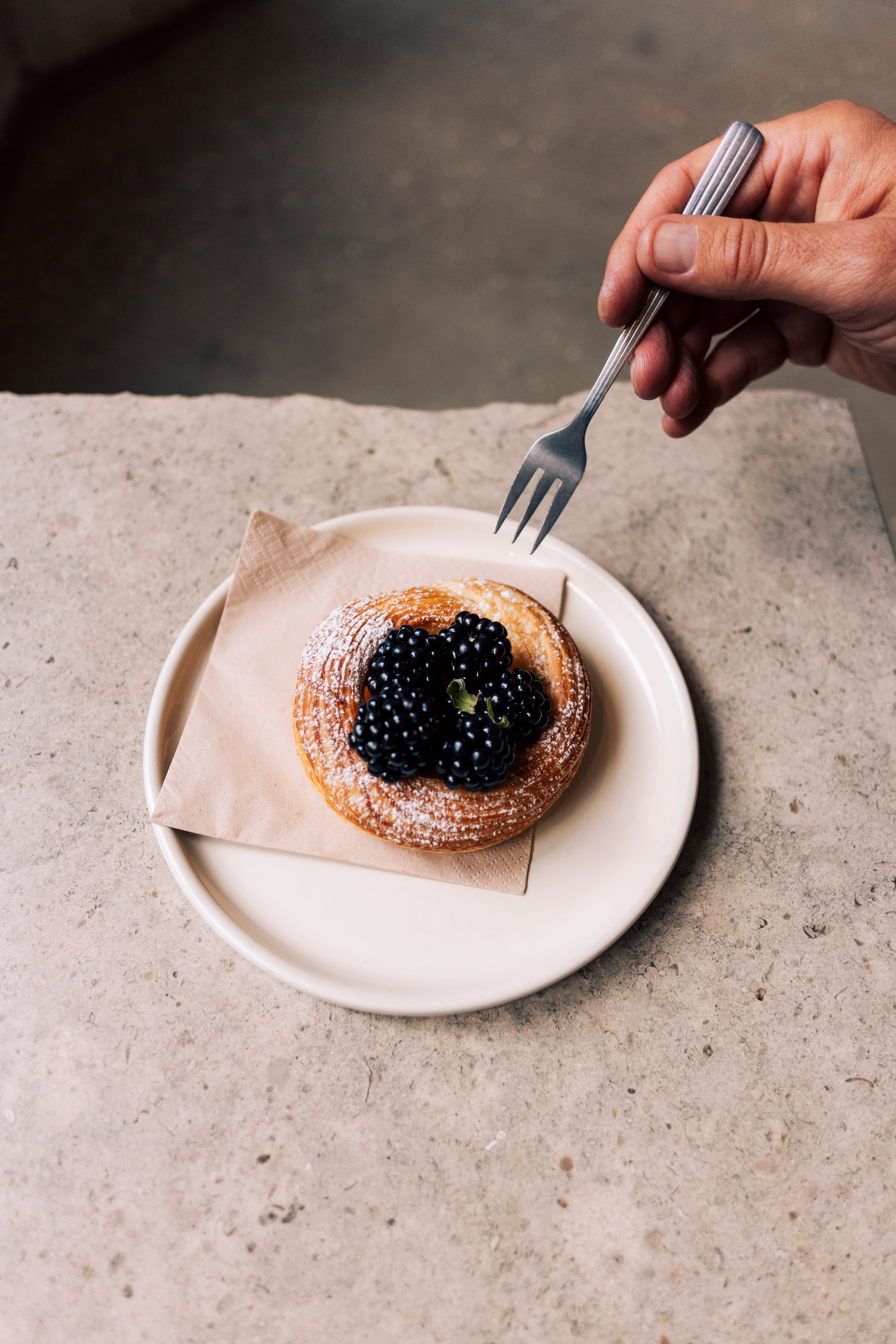
Sample world-renowned pastries in Hart Bageri
Credit: Marc Skafte-Vaabengaard
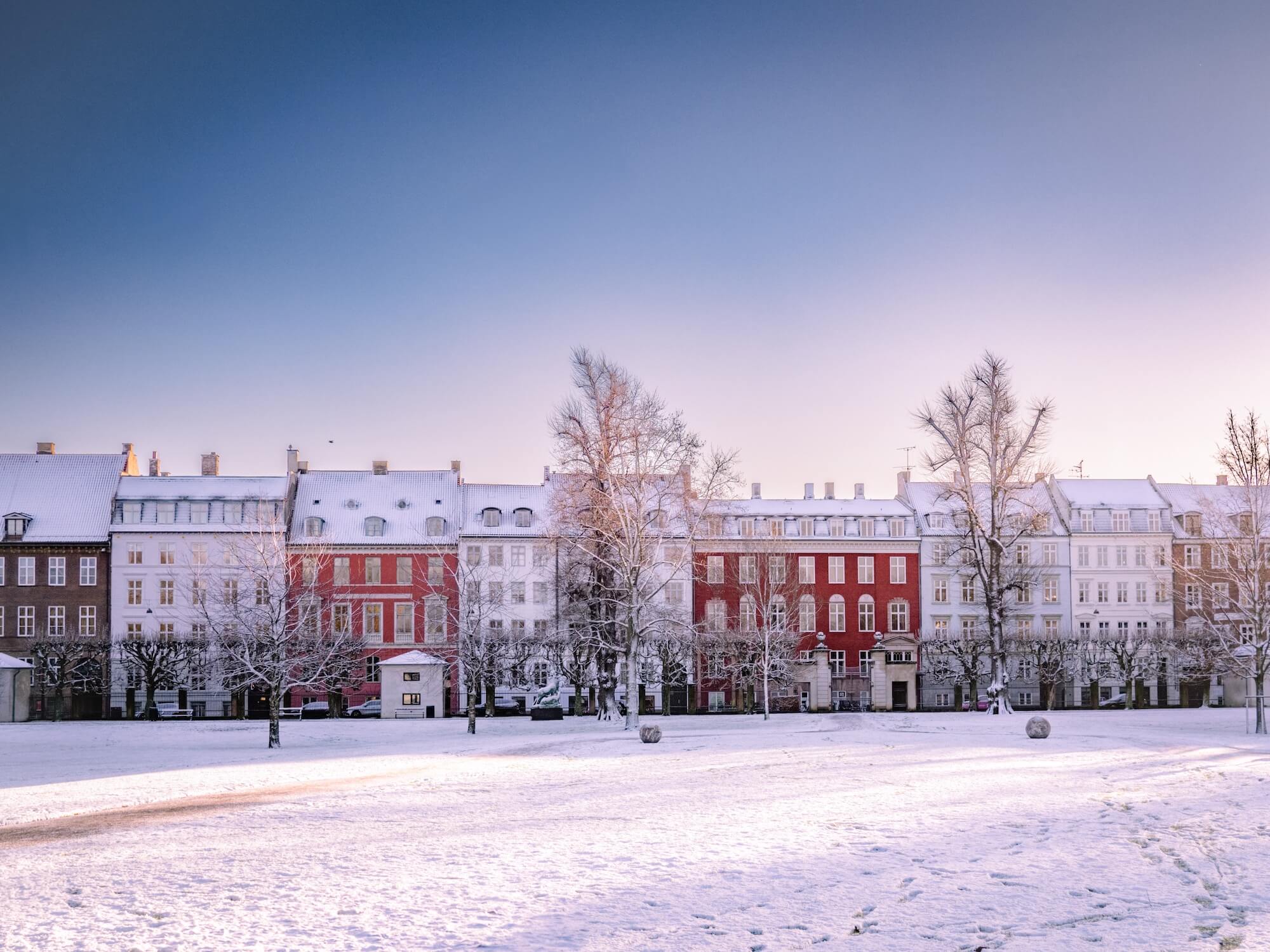
One of Copenhagen’s most popular parks, Kongen’s Have, is perfect for a winter stroll
Credit: Getty
Copenhagen in winter is a place of warmth, clinking glasses and great clothing that allows you to enjoy the cold outside. Cardamom-scented pastries seem even more inviting, fresh and delicious in the cold. Candle-lit cafés, sociable, harbourside saunas, seasonal food and festivals, and special events bring people together. Wholesome pursuits such as knitting, crafting and baking biscuits and cakes are at their peak. You can experience hygge in summer, getting together with friends for a picnic, swimming in a harbour pool or enjoying drinks on a terrace, but it’s so much more tangible in winter, when after an invigorating blast of fresh air, Copenhageners cosy up next to a fire, wrap up warm and illuminate the darkness.

Hygge mornings in Copenhagen
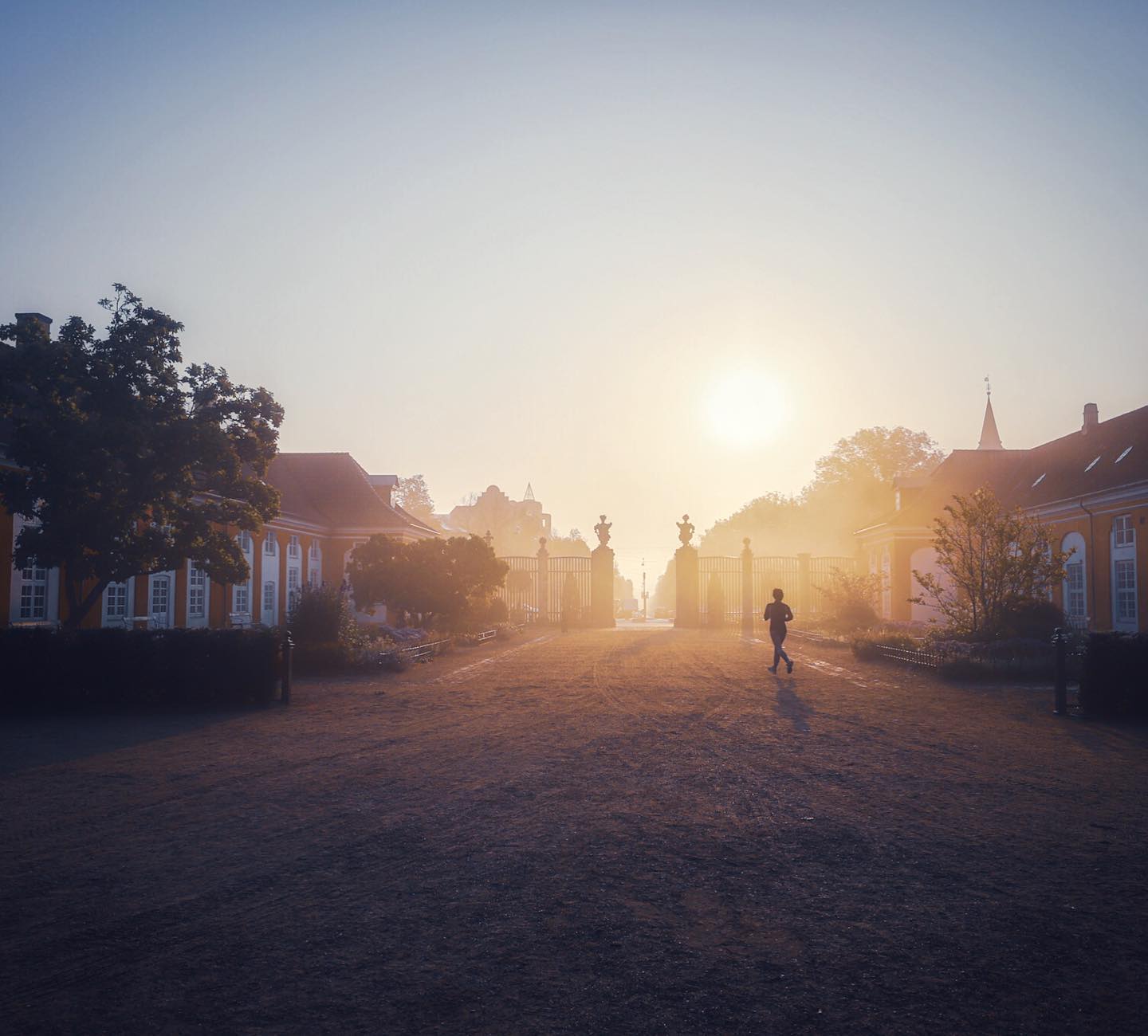
Copenhagen does mornings exceptionally well year round, but in winter it counts more than ever. Breakfast and coffee matter here, pastries put a spring in your step, and Danes love starting the day with a sauna, brisk walk, a bike ride or yoga session.
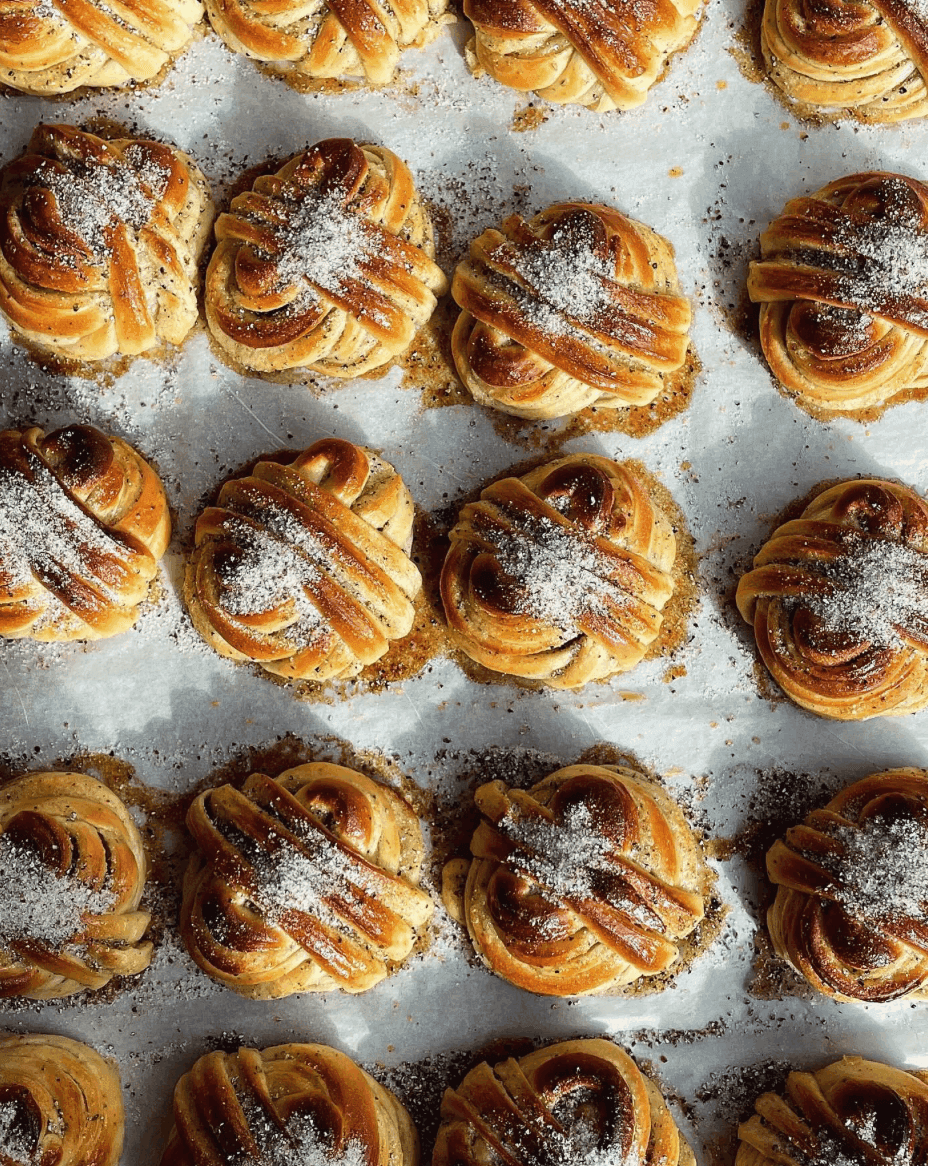
First stop is one of the city’s mind-bogglingly delicious pastries. A kanelsnegl (cinnamon snail) arrives as a glossy spiral of laminated dough, heavy with cinnamon and sugar. Even better is the tebirkes, whose modest looks belie a taste sensation: a pastry topped with poppy seeds and layered inside with sweet, buttery remonce (butter and almond paste) that melts with every bite. Winter brings other, seasonal treats such as the fabulous fastelavnsbolle, a cream-filled pastry eaten in the run-up to Fastelavn, Denmark’s own carnival. If you don’t like to start the day on a sugar high, do as many Danes do and enjoy the perfect BMO (bolle med ost), the humble yet beloved “bun with cheese”.

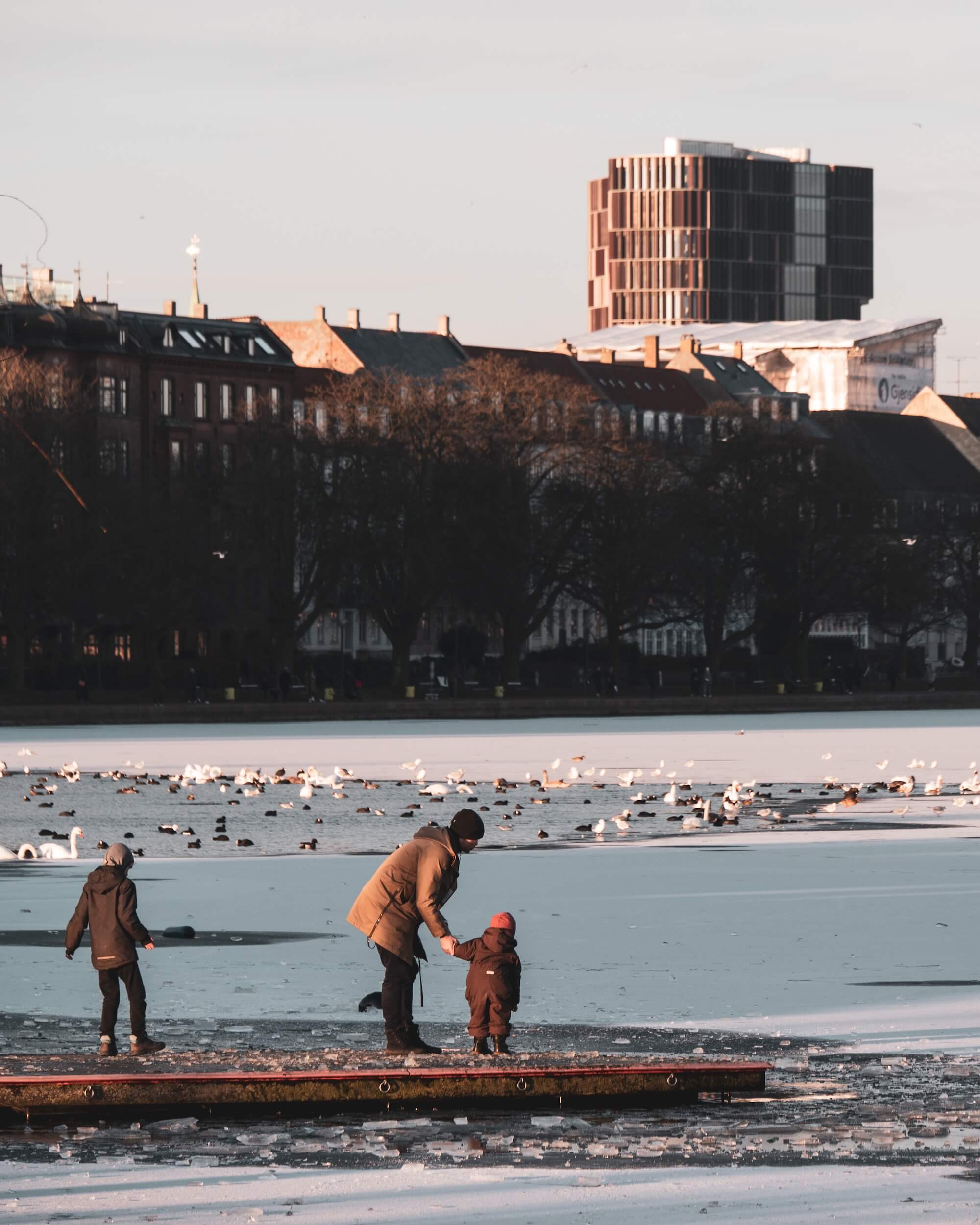
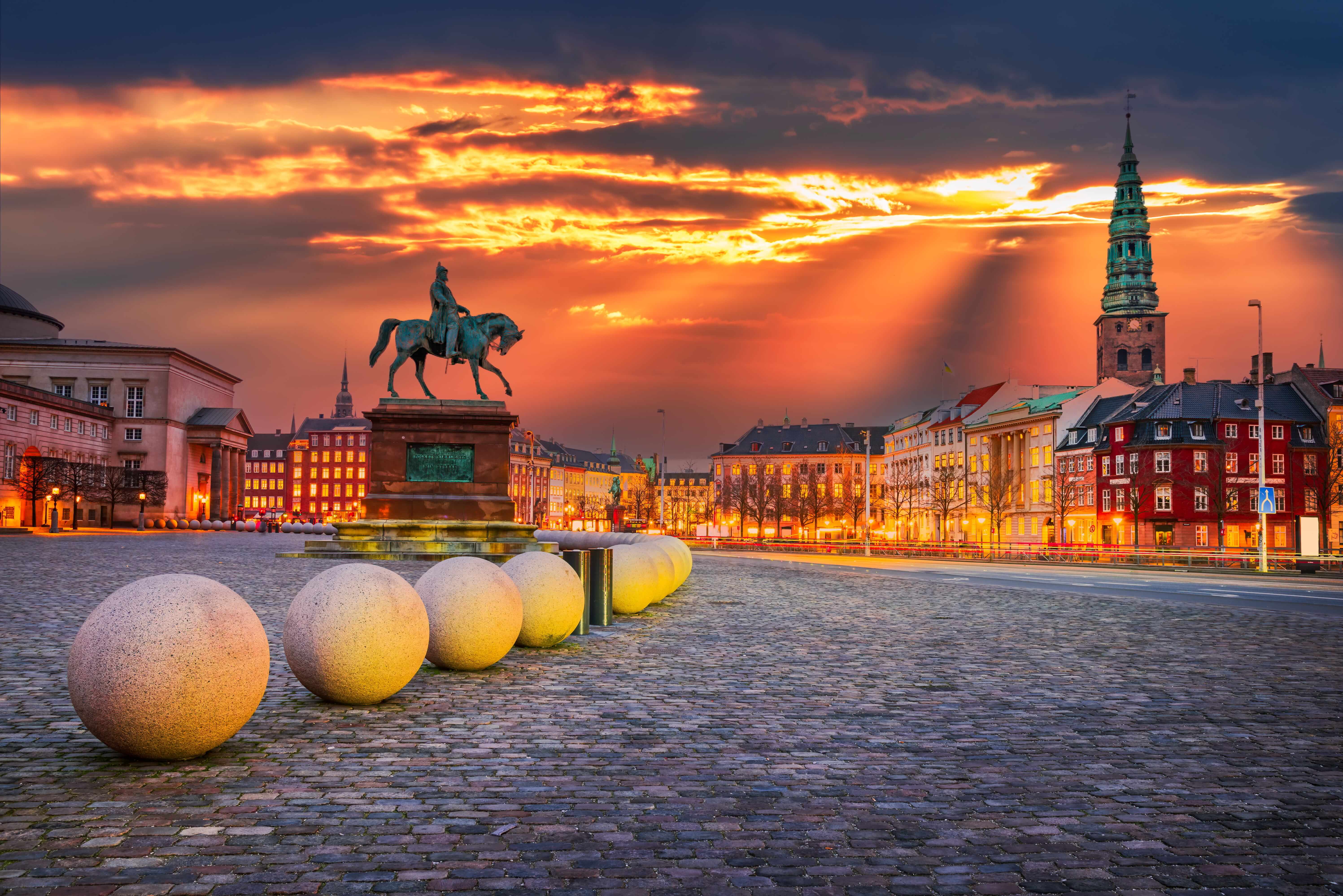
Copenhagen’s winter vistas are the perfect backdrop for a hygge holiday
Credit: Daniel Rasmussen

Take in the city’s skyline from the comfort of a private hottub
Credit: Hottub Copenhagen


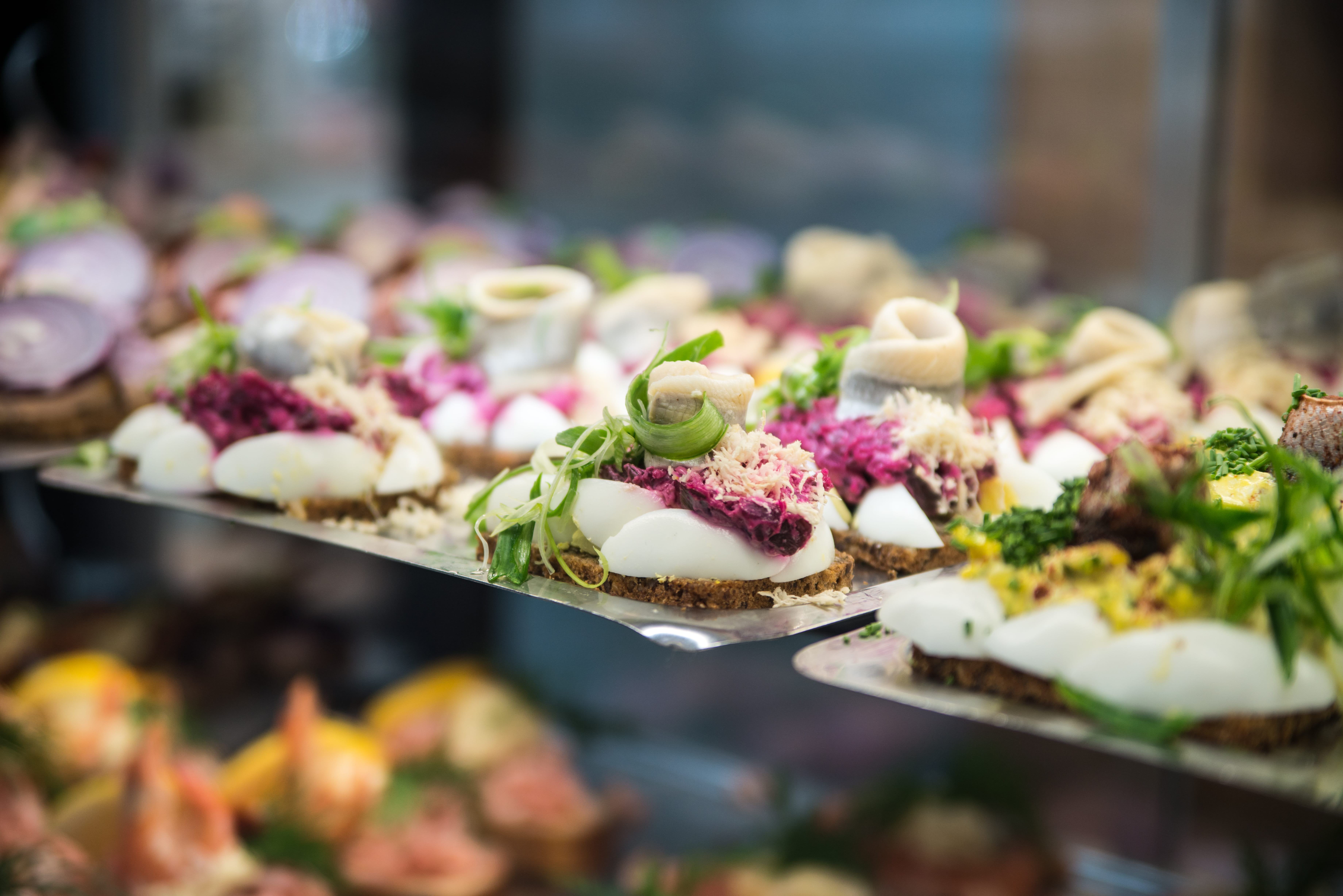
Lunch is prime time for hygge in Copenhagen, when restaurants feel especially inviting and convivial. Old-fashioned, characterful places include Café & Ølhalle 1892, a wood-panelled, time-capsule restaurant hidden in the basement of the Workers’ Museum, where traditional dishes, schnapps and local beers are served amid red-painted pillars. Or head to Christianshavns Færgecafé, set inside a sunflower-yellow townhouse by the canal, for classic smørrebrød, aquavit and the buzz of lunchtime get-togethers. Beyla is a bright, airy vegan restaurant in the Carlsberg area, where they perform culinary wonders with mushrooms.

If you prefer to graze and try a few different things, Torvehallerne’s toasty glass halls shelter dozens of food stalls, allowing everyone to go with their mood: bowls of porridge from Grød, freshly made open sandwiches, hot chocolate, coffee and pastries to take away for later. It’s as much about browsing as eating, with lots of winter treats to tuck into or take home.
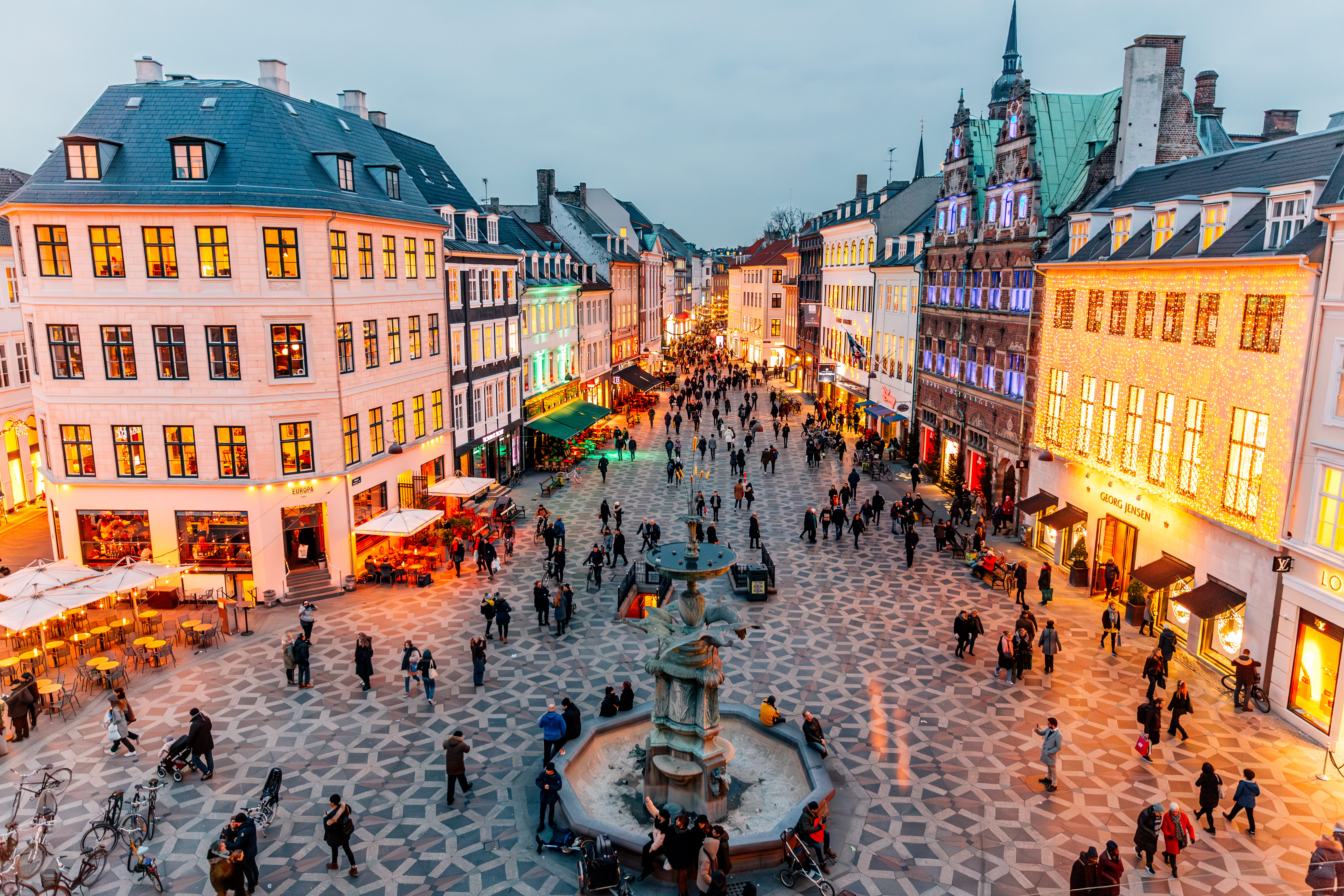
If you’re looking to acquire something more permanent, the city is a great place to refresh your winter wardrobe: Copenhageners have perfected the art of winter dressing. Winter is the best time to buy into the beguiling Scandinavian aesthetic, all clean lines and high-quality fabrics. Strøget and its parallel streets are pedestrianised and lined with historic buildings, while neighbourhoods such as Vesterbro and Nørrebro offer boutiques, vintage and cosy cafés for warming breaks.

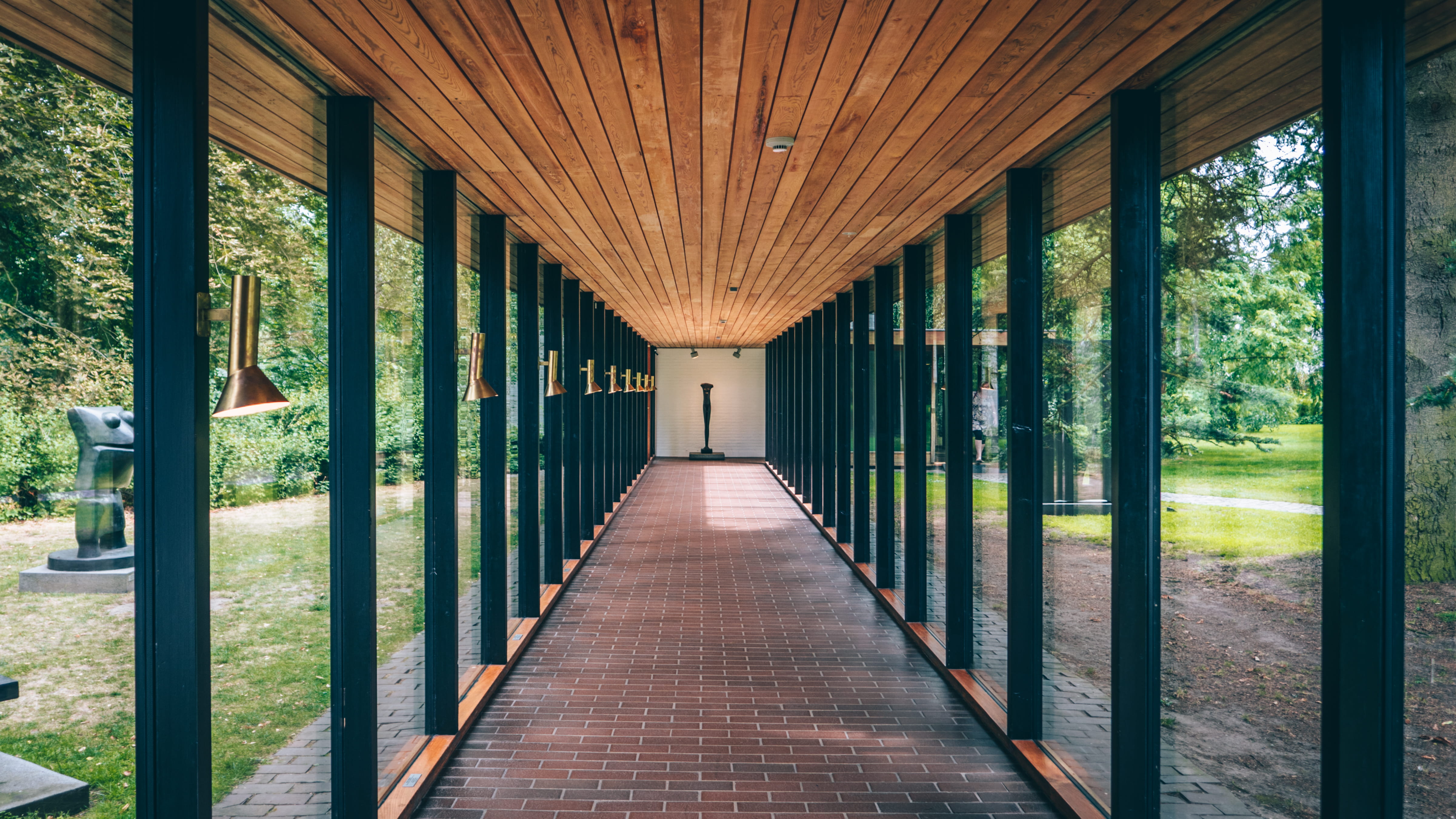
You can enjoy, too, some impressive cultural heft. Just north of the city, the Louisiana Museum of Modern Art offers glass-walled galleries that blur the boundary between inside and out, with Øresund views stretching towards Sweden, and a rotation of exhibitions as well as an incredible permanent collection. In the historic centre, the Glyptotek is full of classical sculpture, French Impressionism and Egyptian mummies, with the pièce de résistance a palm-filled winter garden that feels balmy year round. You could spend a whole day exploring the National Museum, with its Viking gold and grand dollshouses. Statens Museum for Kunst (SMK) is the national art gallery, with a glass-walled extension overlooking the park, making it the ideal place to head on a winter’s day. Families are well catered for too, with hands-on discovery at the Experimentarium, children’s wings at the National Museum and Louisiana, and the futuristic Den Blå Planet aquarium.

The fun isn’t restricted to the indoors. Copenhageners are great believers in fresh air, and with excellent cycle lanes and easy hire, the capital remains a dream for those on two wheels, whatever the season. Guided tours by bike are an exhilarating way to explore. Ice-skating rinks pop up in Frederiksberg and Christianshavn, and canal tours run year-round in heated boats, a hyggelig way to see all the central monuments from the water, staying cosy and bathed in silvery winter light.
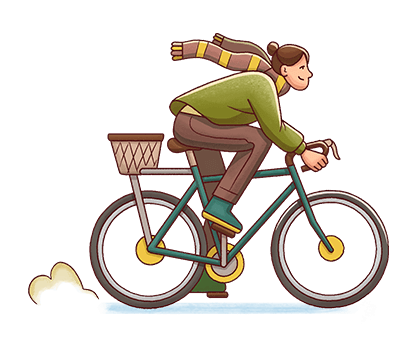
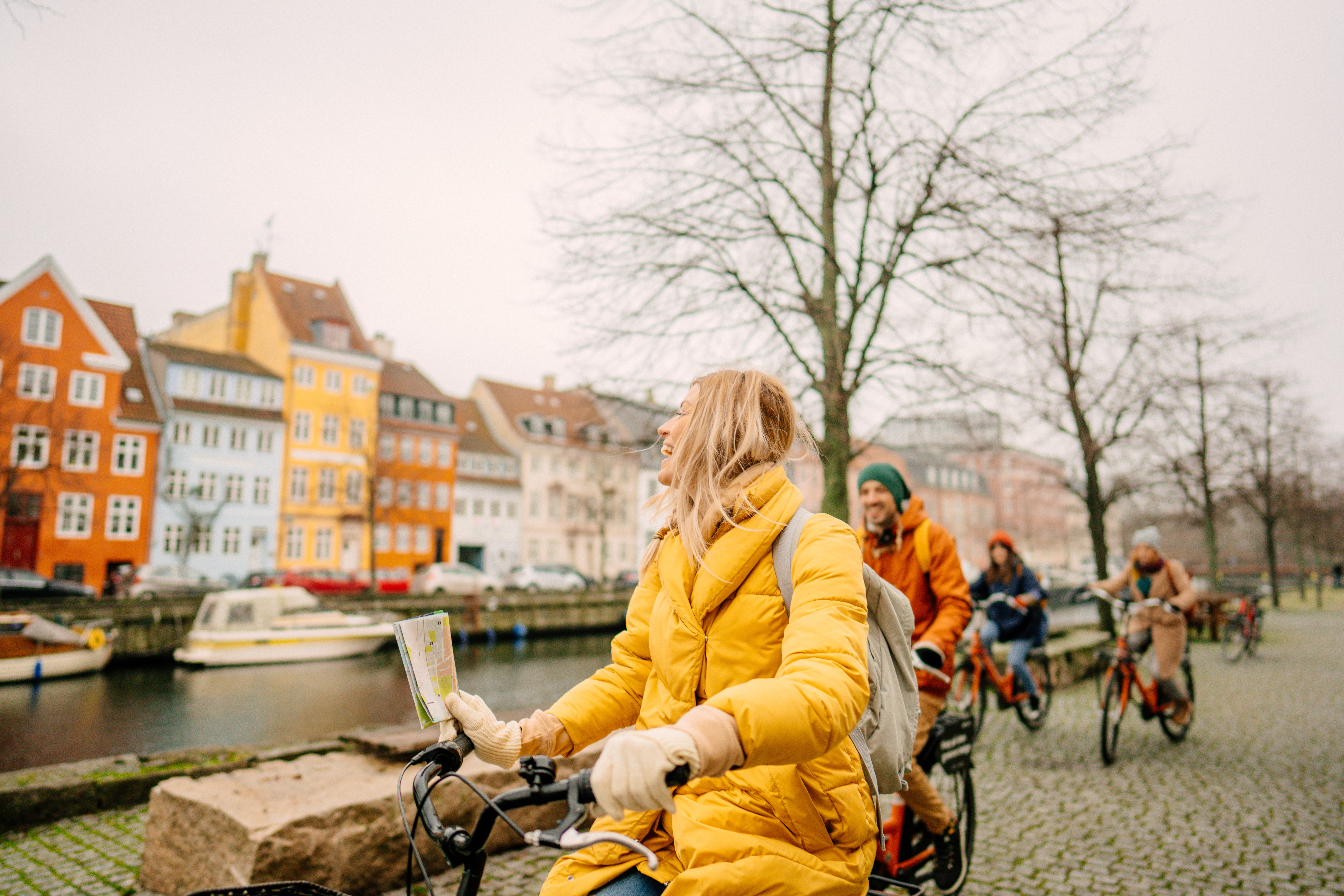
Cycling is the best way to explore the city in true Danish style
Credit: Getty
The best of Copenhagen’s winter culinary scene
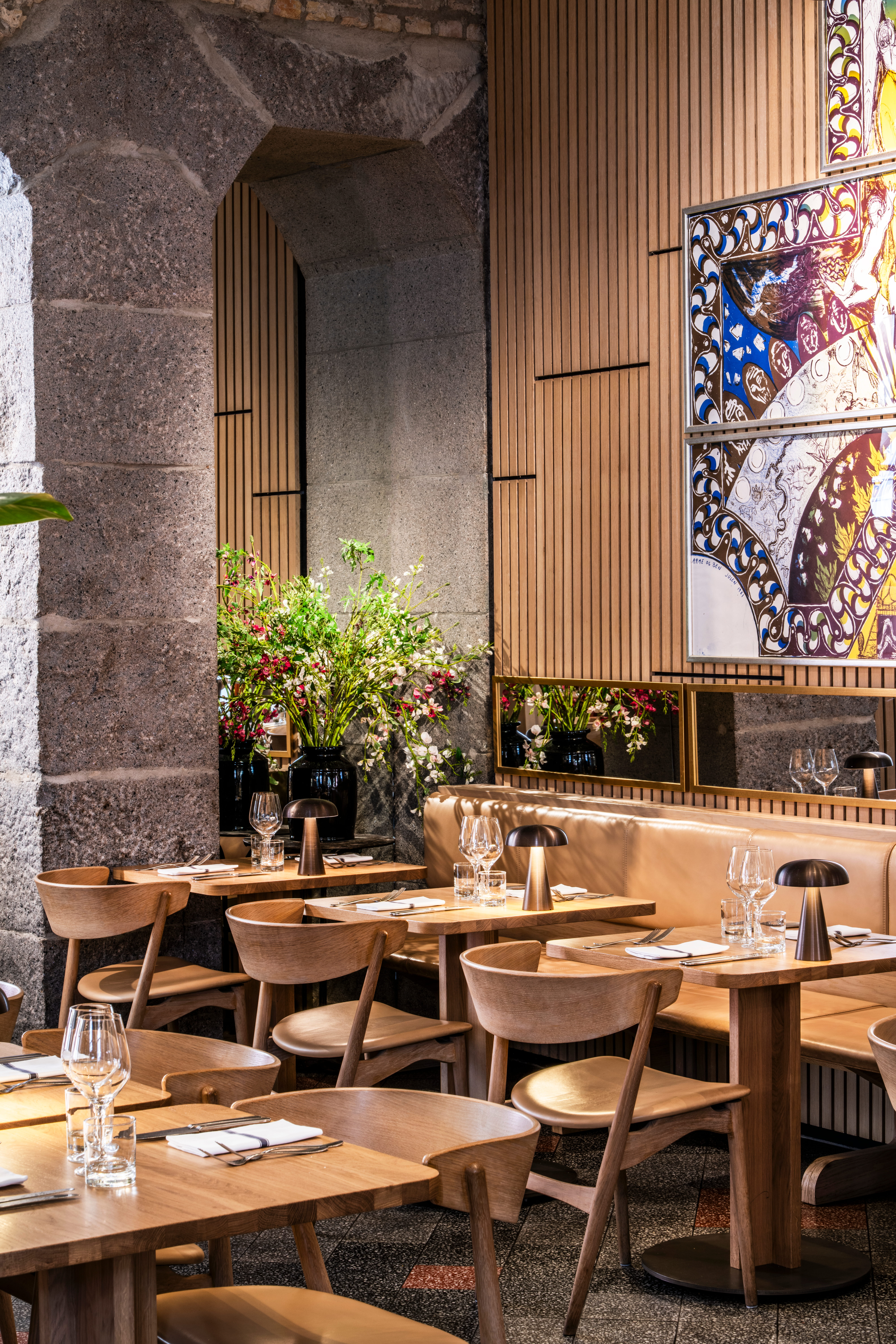
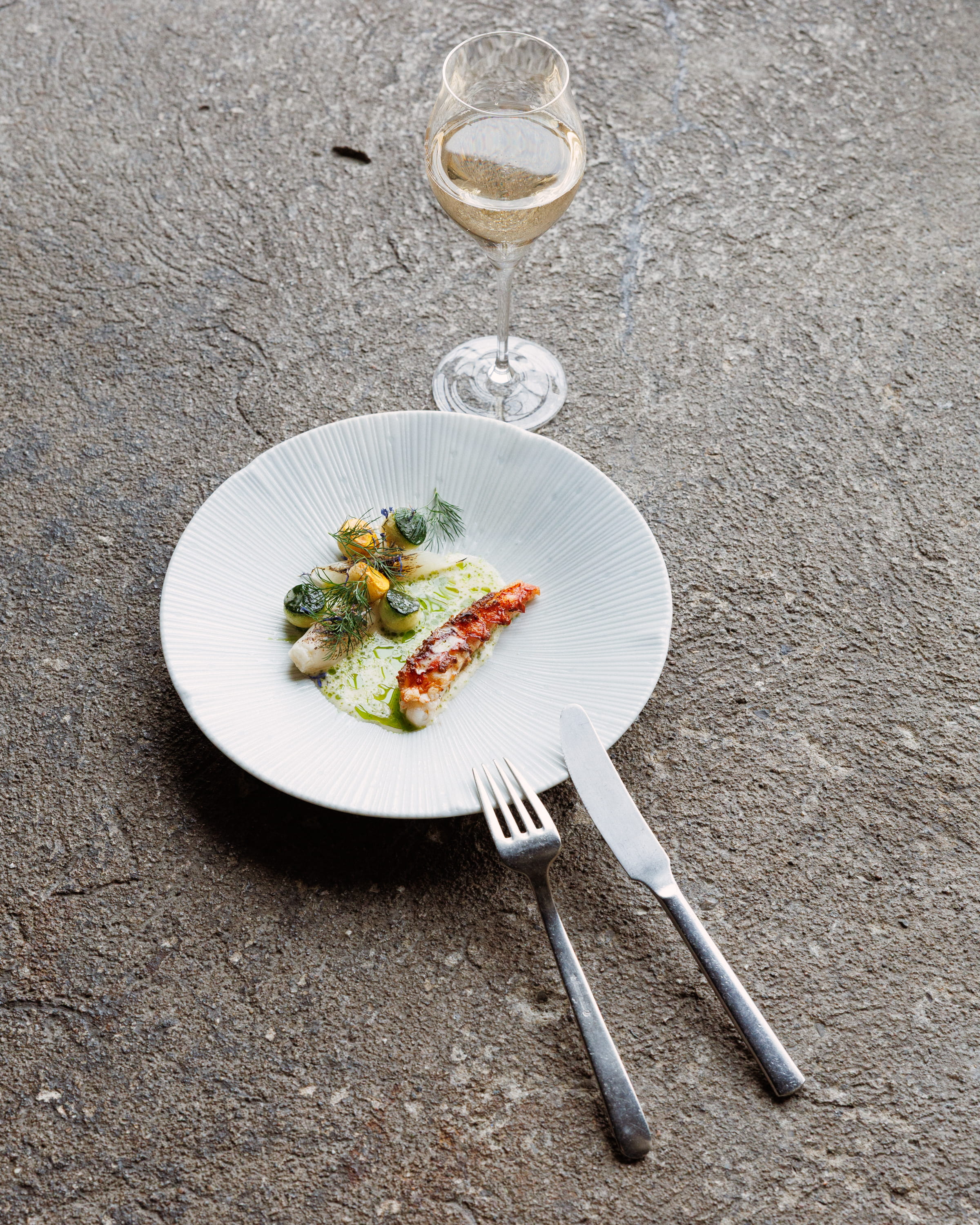
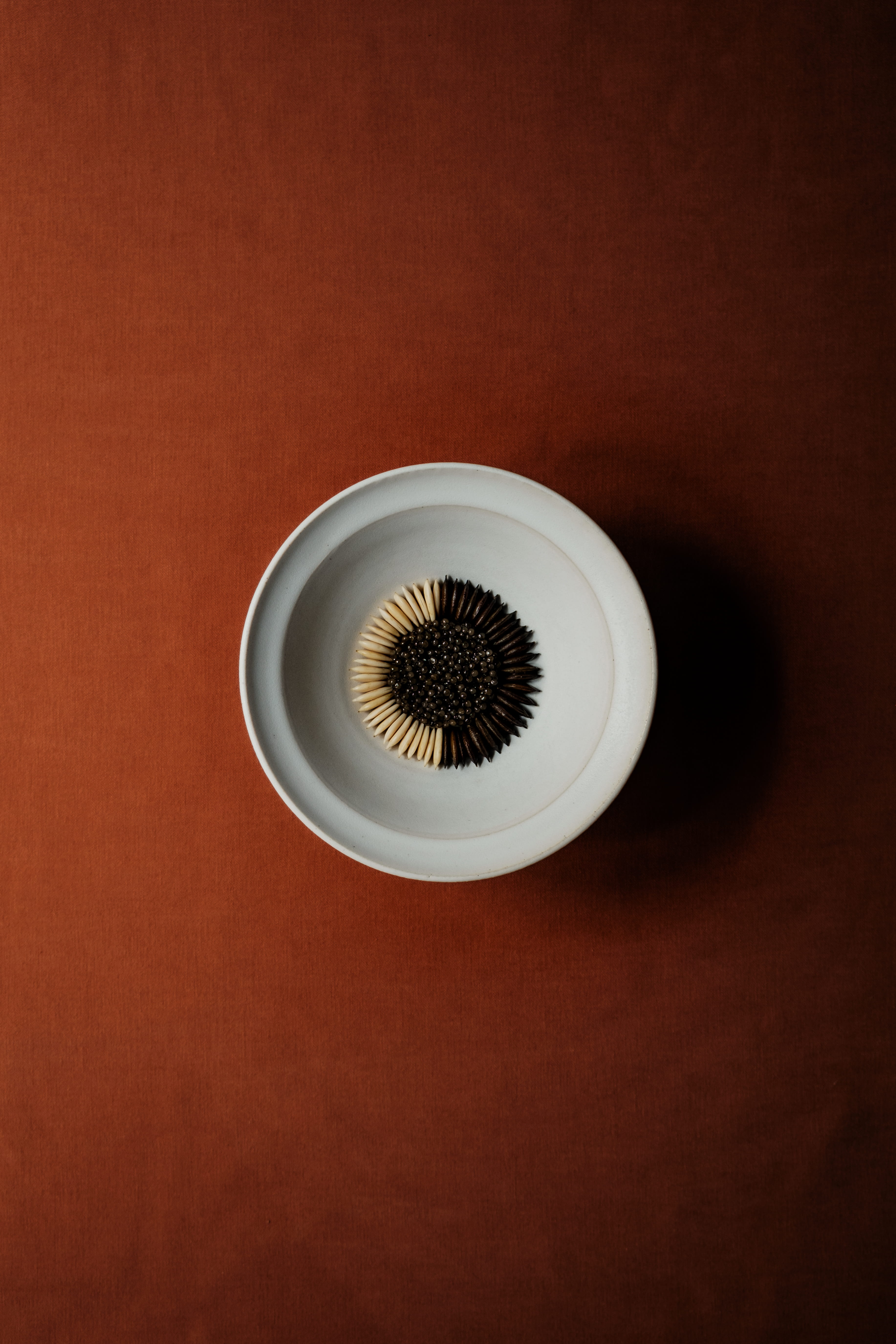
Famous for its New Nordic cuisine and devotion to creative seasonality, Copenhagen is always a compelling city for dining, but winter brings an added glow of warmth and comfort. Menus lean into organic, locally sourced produce, while interiors flicker with candlelight. A smattering of many highlights includes Restaurant Barr, housed in a historic waterfront warehouse and specialising in robust flavours from the Nordic Sea region.
To eat classic smørrebrød, seasonally loaded and at its most satisfying, Restaurant Schønnemann and Aamanns 1921 are local institutions. For something contemporary, Esmee offers refined, sustainability-led cooking from a former Noma and Amass chef, while Norrlyst i Tårnet pairs modern Nordic dishes with an extraordinary setting inside the turret of Denmark’s parliament. For fine dining rooted in regional tradition, Kadeau draws on the flavours of the island of Bornholm. From reimagined winter staples to distinctive Nordic ingredients and world-class pastries, you’ll find Copenhagen offers cold-season gastronomy at its most inspired.


How to sauna seriously
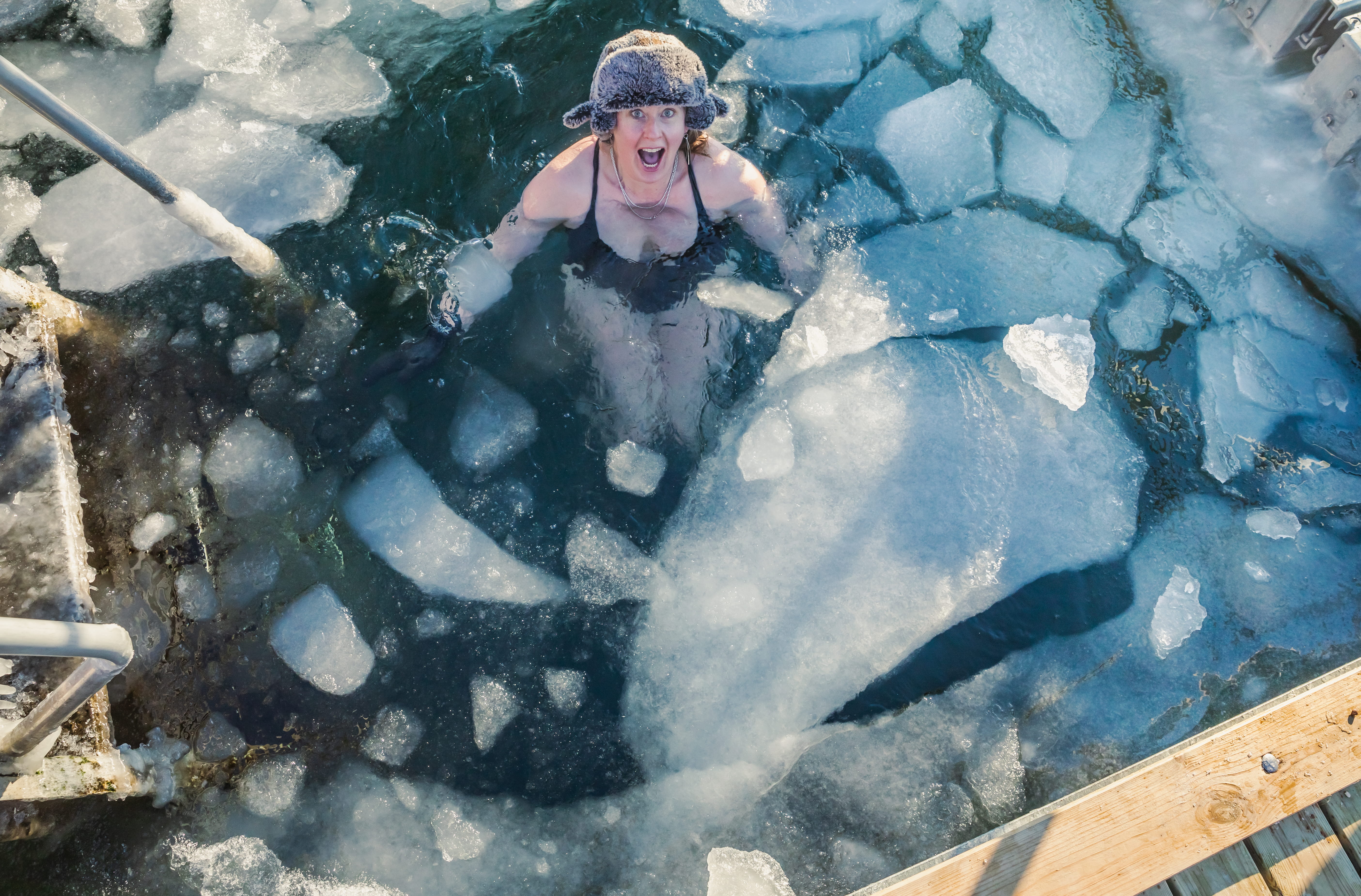
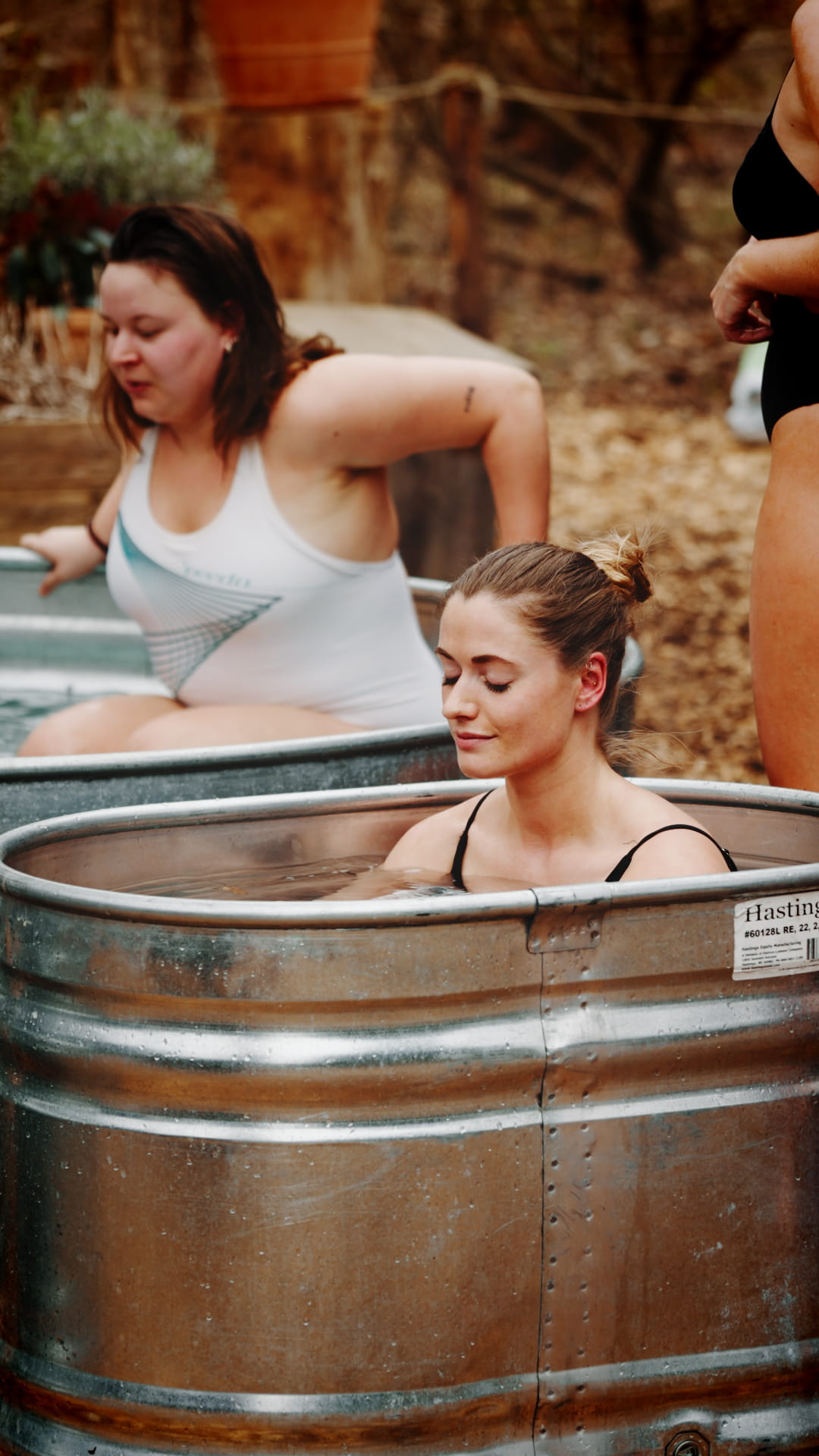
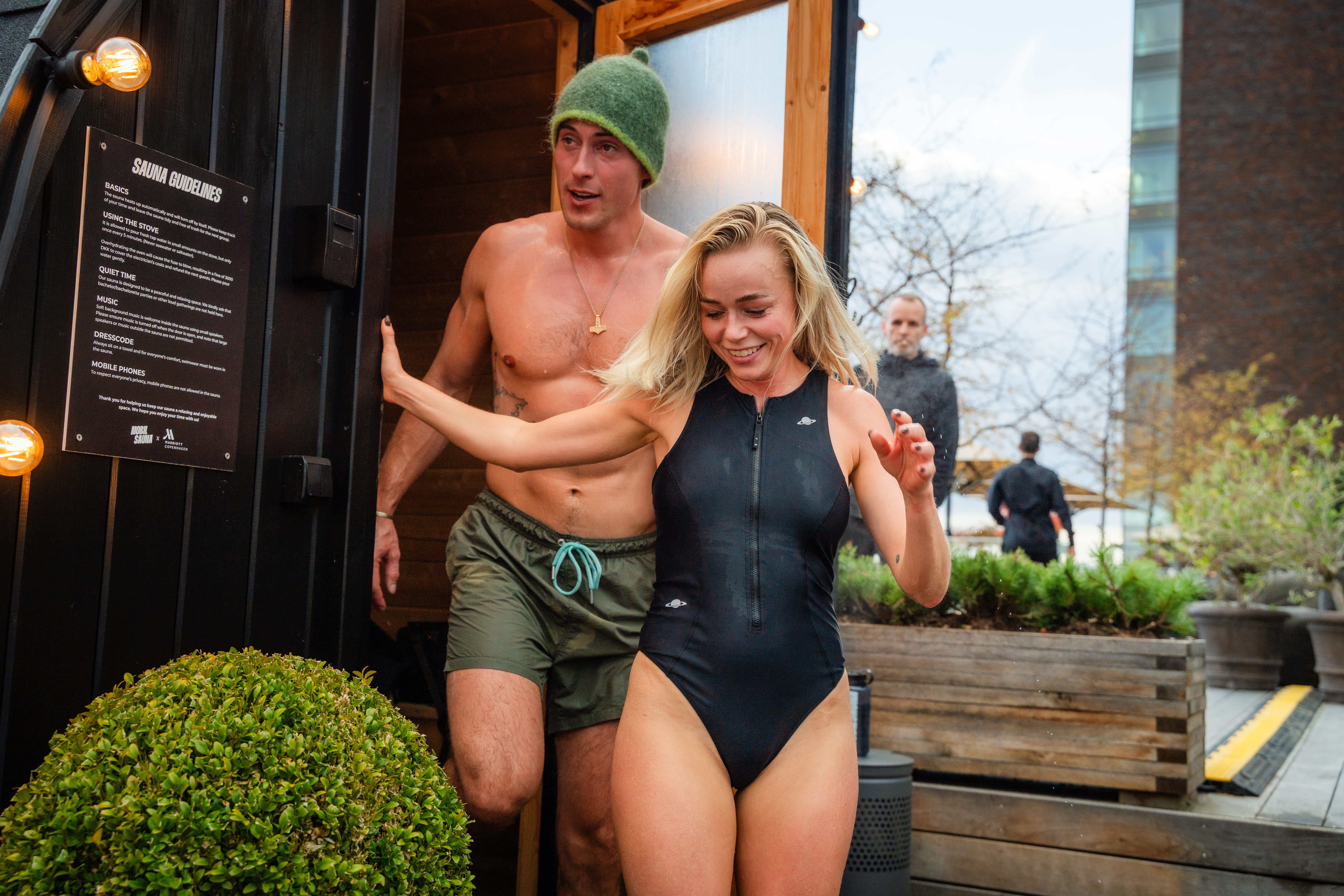
Sauna culture plays an important role in Danish life, aligning closely with values of wellbeing, simplicity and community. In Copenhagen, saunas are social spaces where people slow down, switch off and lean into hygge. Most venues require swimsuits, though some of the more traditional bathhouses remain nude. The ritual begins with a shower, followed by time in a dry, wood-heated sauna, sitting quietly as the body acclimatises to the heat. Once thoroughly warmed, it’s time to cool down: plunging into the sea, stepping into a cold pool, taking a bracing shower or simply standing outside, steam rising into the frosty air. This hot-cold cycle is typically repeated two or three times, boosting circulation and encouraging deep relaxation.
Many saunas also offer guided saunagus sessions, where a host adds essential-oil-infused water to the stones and uses towels to circulate fragrant heat. The experience ends with rest, hydration and gentle conversation: peak hygge. Standout spots include CopenHot, with floating saunas on the harbour, and the historic bathhouses Sjællandsgade Badeanstalt and Sofiebadet.